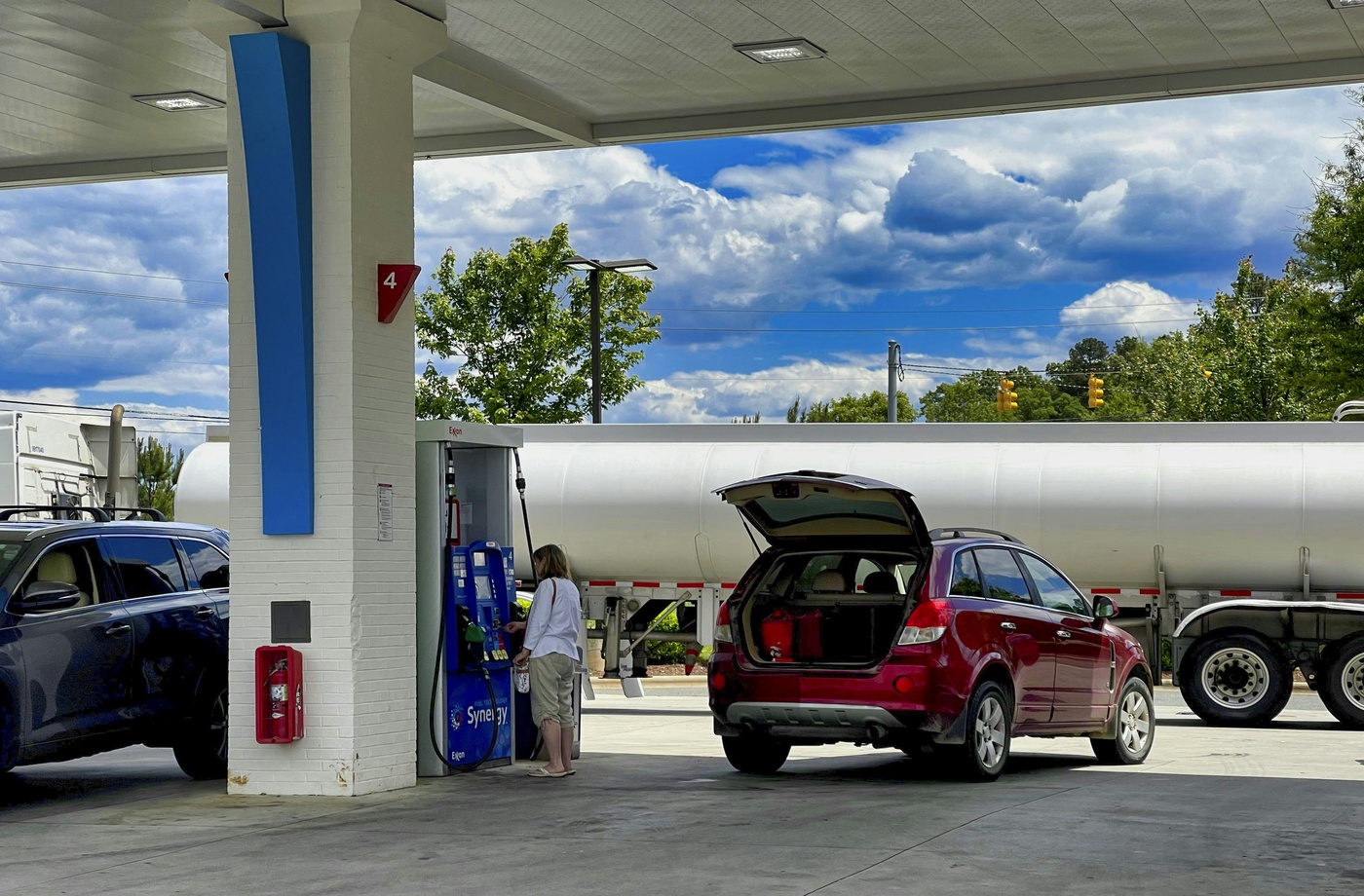
You don’t need a hybrid or electric vehicle to save money at the pump—your driving habits alone can significantly impact fuel consumption. According to the U.S. Department of Energy (DOE), adjusting how you drive can improve fuel efficiency by up to 30% on the highway and 10% in the city. Here are the most effective techniques every driver can use to maximize MPG and minimize fuel costs.
- Accelerate Gently and Brake Smoothly
Sudden starts and hard braking are not only unsafe—they also waste gas. Rapid acceleration increases fuel consumption significantly. Instead, accelerate gradually and anticipate stops to coast gently whenever possible. - Use Cruise Control on Highways
Maintaining a consistent speed on highways helps reduce unnecessary fuel burn. Using cruise control can prevent speed fluctuations that decrease fuel economy. This feature is especially helpful on flat, long-distance routes. - Avoid Excessive Idling
Idling gets 0 miles per gallon. If you’re stopped for more than 30 seconds—like while waiting in a drive-thru or picking someone up—consider turning off the engine. Modern cars are designed to restart efficiently and doing so can save you fuel over time. - Reduce Speed on the Highway
Fuel economy generally peaks at around 50 mph. According to the DOE, each 5 mph you drive over 50 is like paying an extra $0.22 per gallon. Slowing down even slightly can have a measurable effect on your fuel budget. - Maintain Proper Tire Pressure
Under-inflated tires create drag, which reduces gas mileage. Check your tires monthly and keep them inflated to the manufacturer’s recommended PSI. This not only improves fuel economy but also enhances safety and tire longevity. Learn more from NHTSA tire maintenance tips. - Lighten Your Load
Every additional 100 pounds in your vehicle reduces MPG, especially in smaller cars. Clear out unnecessary cargo and remove roof racks or storage boxes when not in use to improve aerodynamics and reduce fuel consumption. - Combine Trips to Drive Less
Multiple short trips from a cold start can use twice as much fuel as one longer, multi-stop trip. Combine errands when possible, and plan routes to avoid backtracking and traffic congestion.
Adopting these fuel-efficient driving techniques not only saves money but also reduces emissions and extends the life of your vehicle. For more details on maximizing mileage, visit the official FuelEconomy.gov driving tips.